
Night cream: do you need a separate one, and how should you choose?
Thursday 08th October 2026
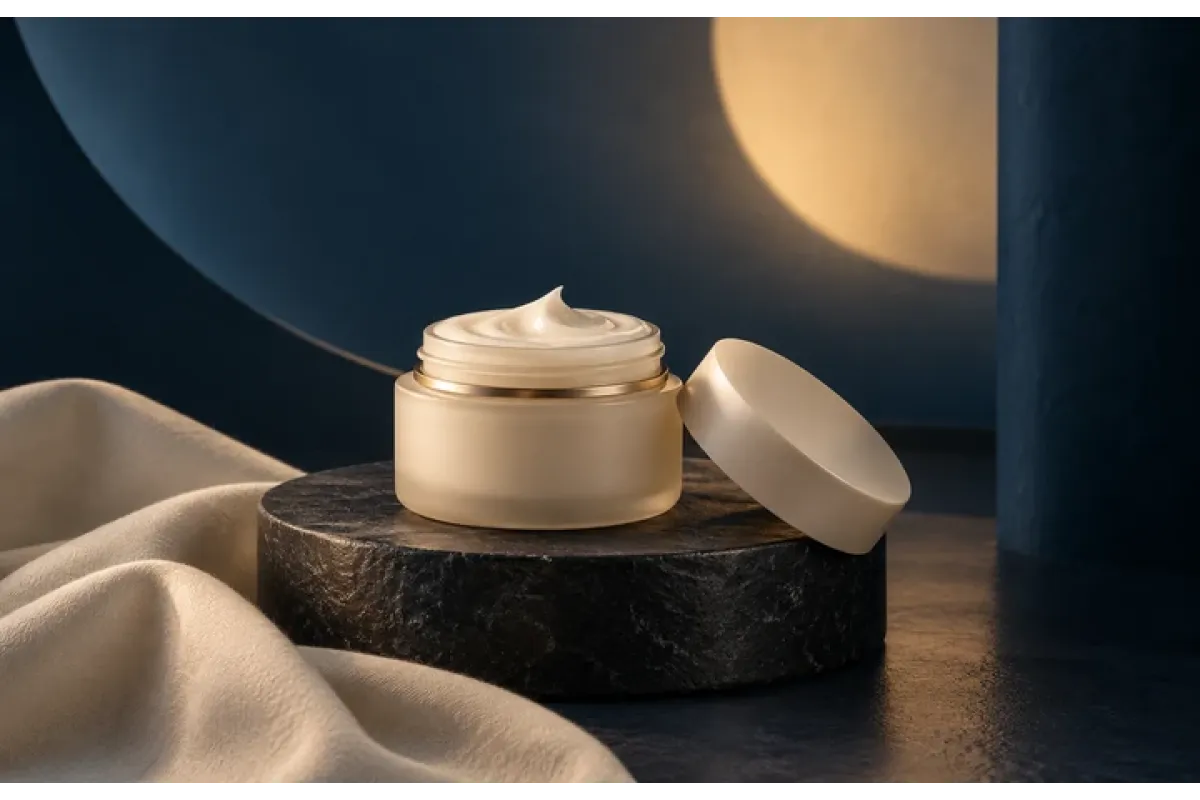
In the evening, it feels good to remove make-up, cleanse your face and restore comfort after a long day. But does that require a separate night cream? If your current moisturiser already suits your skin, another jar may add little. If dryness returns by morning, or you want to introduce a specific active ingredient, your evening routine may benefit from a change. Here is how to make that decision and choose a formula you will enjoy using regularly.
When one cream can work for morning and evening
A separate night cream is not an essential step for everyone. A general-purpose moisturiser without SPF can work morning and evening if the manufacturer recommends that use, your skin tolerates it well and it provides enough hydration. Add suitable sun protection in the morning. This approach is particularly convenient when your skin feels comfortable and your goal is a simple routine that is easy to maintain.
A second formula makes sense if you chose your day cream mainly for its light feel under make-up, but prefer something richer in the evening. Another reason is an active ingredient intended for evening use. Keep an SPF cream for daytime protection: UV protection itself does not meet a separate skincare need at night. The word “night” on the packaging helps explain a product's intended use, but does not guarantee that it will suit your skin.
Choose for your skin's condition, rather than an age label
Start with a simple observation: how does your skin feel after cleansing, an hour after applying cream and the following morning? Dryness, shine and easily irritated skin call for different choices. The American Academy of Dermatology's moisturiser guidance also considers skin type and the extent of dryness. The following table can narrow your options, although the individual formula still needs consideration.
| What you notice | Where to start | What to check |
|---|---|---|
| Dryness and tightness by morning | A richer moisturising cream | Comfort without stinging, and whether an overly harsh cleanser needs replacing |
| A shiny T-zone and dry cheeks | A lightweight formula, adjusting the amount by area | A heavy film; a non-comedogenic label if you are prone to breakouts |
| Redness, stinging or frequent reactions | A simple fragrance-free routine, taking known allergies into account | Tolerance, and whether persistent symptoms warrant a dermatologist's advice |
| Uneven texture or fine lines despite adequate hydration | One targeted active ingredient, if suitable for your skin | Directions, frequency and the other active ingredients in your routine |
A thicker cream is not automatically better. If a light texture keeps your skin comfortable until morning, there is little reason to intensify it simply because it is evening. Conversely, your usual summer fluid may no longer meet the needs of dry areas in winter. Adjust your routine to what you actually notice, without replacing everything on your shelf at once.
Moisturising and active skincare have different jobs
Glycerin and hyaluronic acid help retain water; emollient ingredients leave the skin's surface feeling smoother, while lipids support its protective barrier. What matters is their combination, the texture and your tolerance of the complete formula. One familiar name on an ingredient list cannot tell you how comfortable the finished cream will feel.
Retinol is included to address certain signs of ageing and uneven texture. It is not necessary for everyone and can irritate skin. The AAD recommends introducing retinoids gradually; they should not be used during pregnancy. Acids are not compulsory ingredients in a night cream either. If dryness is your main concern, starting with comfortable moisturising care is usually more practical than introducing several active products together.
Three examples from the Wellness Expert range
Anna Lotan Alodem Extramel Night Cream 50 ml
Anna Lotan Alodem Extramel Night Cream is presented in the shop as a rich night cream for dry skin, with melon-seed-derived SOD mentioned in the description. It illustrates choosing a product because you want a more nourishing texture. Consider it if a lightweight day product no longer provides enough comfort by morning. If your skin is sensitive, check the full ingredient list on the packaging against your known allergies: being intended for dry skin does not itself confirm that a cream is fragrance-free.
Biodroga Oxygen Formula Day and Night Care for Combination Skin
Biodroga Oxygen Formula Day and Night Care for Combination Skin is described as lightweight care for combination or oily skin, suitable for both morning and evening. It illustrates why a separate night-time jar is not always necessary. First assess whether one formula is sufficient for your dry cheeks and feels comfortable on your T-zone. Using this product during the day does not replace sun protection.
Casmara Retinol PROAGE Night Cream 0.15%, 30 ml
According to its shop description, Casmara Retinol PROAGE Night Cream 0.15% contains retinol, squalane and hyaluronic acid. It is an option for deliberately introducing retinol, rather than simply replacing your usual moisturiser. The listing specifies alternate evenings for the first two weeks, then nightly only if well tolerated, with SPF50 in the morning. Follow the current instructions; do not use during pregnancy or breastfeeding, and avoid the eye area and mucous membranes. Stop using it if irritation persists.
How to fit your cream into an evening routine
- Remove make-up and sunscreen. Choose cleansing products that remove them without prolonged rubbing. Use lukewarm water and gentle movements when washing, as advised in the AAD's face-cleansing guidance.
- Keep only the serum you need. If it is already well tolerated, apply it as directed. When first trying a new cream, simplifying the other steps can make it easier to understand your skin's response.
- Use the amount of cream recommended by the manufacturer. An ordinary moisturiser can be applied to slightly damp skin; follow separate directions for retinol or acids, including any requirement for dry skin. Do not mix products inside the jar.
- Assess the combination, rather than the number of layers. If your cream pills, try using less and review the preceding steps. There is no universal compulsory waiting time between all products. For a detailed sequence, see our guide to morning and evening skincare order.
Four mistakes when buying a night cream
- Doubling up on retinol. A serum and cream containing the same active ingredient can make tolerance harder to manage. Cleveland Clinic advises choosing complementary products, avoiding unnecessary duplication of active ingredients.
- Using cream as a mask every night. A very thick layer does not guarantee better results. If you notice an unpleasant film or new breakouts, reconsider the texture and the amount you apply.
- Treating burning as proof that a product works. Persistent irritation is a reason to stop and investigate the reaction, rather than apply the product more often.
- Expecting visible rejuvenation overnight. Moisturising can improve the appearance of dry fine lines, but the AAD recommends realistic expectations for cosmetics. A cream does not replace procedures or eliminate every sign of ageing.
How to tell whether your choice suits you
Test a new ordinary cream on a small area first: the AAD suggests a home product test over 7–10 days. For active formulas, also respect the directions on frequency. This can help you identify a reaction, but does not guarantee tolerance on your face.
- Does your skin feel more comfortable in the morning? Assess tightness and dry areas, rather than just the sheen immediately after application.
- Have you noticed a new reaction? Record redness, itching or breakouts, and introduce only one new product at a time.
- Is regular use convenient? A pleasant texture and clear routine are more useful than a purchase you keep putting off using.
What to add to your basket
If your current SPF-free cream suits your skin and is recommended for twice-daily use, start with it. For dryness, choose a more comfortable evening texture; if you want an active ingredient, identify one goal and review your whole routine first. Keep sun protection in the morning — our guide to daily facial SPF can help you choose it. A good night cream fits your everyday life and meets a specific skin need.
Mila Serani, Skincare & Beauty Editor at Wellness Expert