
Deodorant or antiperspirant: choosing a product for everyday comfort
Wednesday 21st October 2026
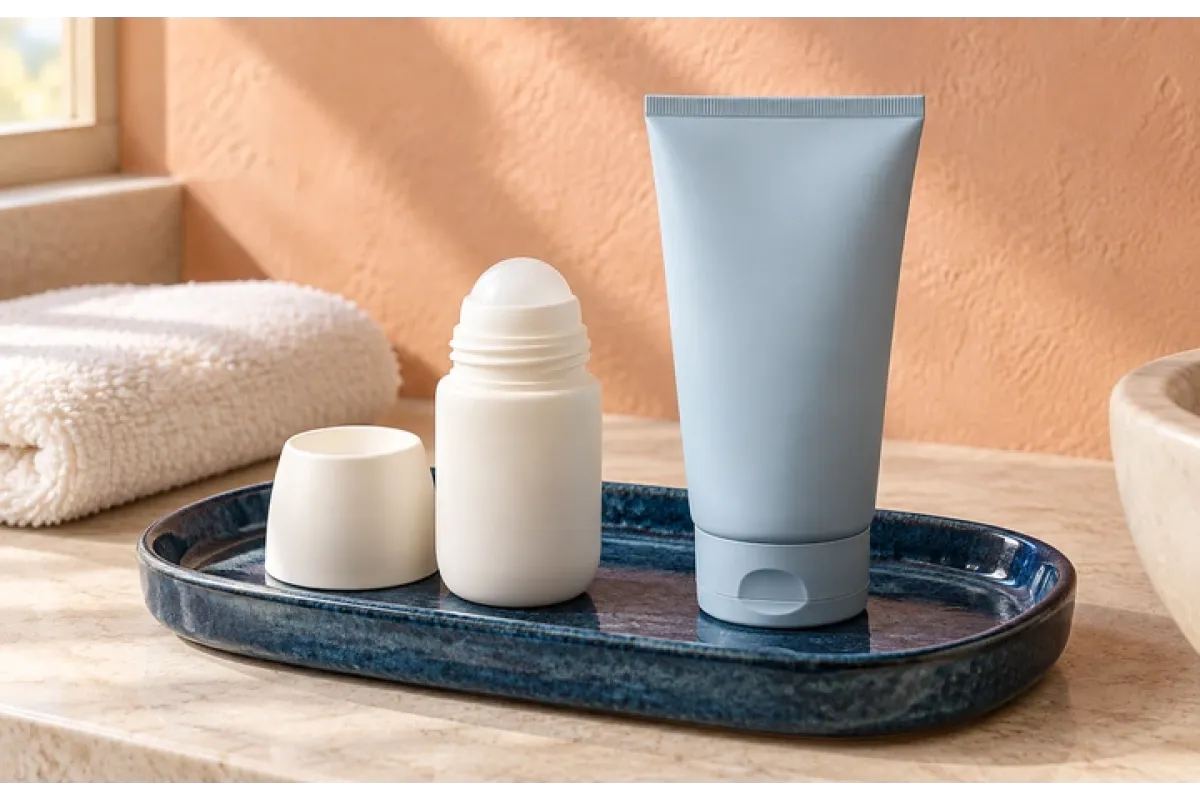
An underarm product is often chosen for a familiar scent or a convenient bottle. Satisfaction also depends on the task: managing odour, feeling less wetness or achieving both. It becomes easier to choose everyday care when you establish its purpose first, then consider texture and application.
The Wellness Expert catalogue includes roll-ons, creams and other formats. Their functions may differ even within one brand. This guide looks at packaging terms, compares application convenience and considers two Anna Lotan creams. Your own habits matter: the time available after a shower, favourite clothes, fragrance preferences and willingness to use a particular dispenser.
1. Start with the result you need
The American Academy of Dermatology distinguishes their purposes: deodorant helps control odour; antiperspirant reduces sweating. When shopping, identify separately what concerns you in an ordinary day.
Odour is the main concern
If this is your priority, begin with the stated deodorising purpose. Look at the application area, fragrance and directions for reapplying. Words such as freshness or comfort alone say little about how a product will fit your routine. Picture an ordinary morning and the feeling you want to maintain after your care steps.
You want less wetness
Look for an antiperspirant purpose. Confirm it in the listing and labelling, then read the method. A broad shop category name does not replace an individual product's directions. If you enjoyed the scent of your last purchase but it did not meet your needs, choose the next one by function as well as fragrance similarity.
You want both effects
A product may combine functions, but confirm them in its particular description. Two separate bottles are not automatically required. First assess what one product already does and what you still want. This helps avoid layering several new purchases in a way that makes the convenience and effect of each difficult to judge.
2. Choose the format by its method
Cream, roll-on and spray are primarily different ways to measure and distribute a product. Packaging shape cannot reliably establish strength of effect. A practical format is one you can use calmly according to directions and store conveniently at home or carry with you.
| Format | What to assess | What to check before buying |
|---|---|---|
| Roll-on | Direct application and drying time | Exact purpose, application area and bottle closure |
| Cream | Portion size and distribution | Applicator or other intended application method |
| Stick | Glide and handling of the case | Directions for quantity and packaging use |
| Spray | Nozzle and place of use | Distance, warnings and storage conditions |
For a first trial, choose an unhurried day when you can let the product dry and assess it before dressing. Comfortable handling and a clear dispenser may matter more than the habit of buying one bottle type. For travel, check the carrier's current rules and the particular packaging separately.
3. Read the label in a few steps
Start with the full name and purpose. Then check the application area, ingredients and directions. Do not automatically extend an underarm product to other body areas. If a known ingredient reaction guides your choice, compare the full list on the packaging you receive, rather than relying only on a short range description.
Consider scent separately. Fragrance-free does not always mean that the ingredients have no scent of their own. If you prefer minimal fragrance, check the description and your own experience when trying it. Sensitive-skin or plant-ingredient wording cannot predict every person's individual experience either.
Hour figures on packaging refer to a claim about that product and its conditions of use. They do not replace quantity or reapplication instructions. Choosing only the largest number is not a useful comparison: first make sure you are comparing the same purpose and a method that works for you.
4. Two examples in cream form
Anna Lotan Body Care Antiperspirant Cream, 50 ml. The shop describes a fragrance-free antiperspirant cream and a small amount after washing. The manufacturer's directions restrict use on damaged skin and immediately after hair removal. This example shows why application conditions matter alongside texture. Follow the labelling on the packaging you receive.
Anna Lotan CleaNOdor Aluminium Free Deodorant Cream, 75 ml. According to the shop, this deodorant cream contains no aluminium salts and is applied to the underarms with the tube applicator. The manufacturer also classifies it as deodorant. Compare its task and packaging use with the first example: both are creams, but that similarity alone would not be enough to choose.
These examples do not establish an overall winner. Check name, size, current ingredients and directions before ordering. Aluminium-free describes one formula characteristic; purpose and personal comfort still matter. Do not automatically transfer properties from one range to another, even when they share a brand.
5. Prepare a clear sequence
- Confirm area and timing. Use the specified body area. Take frequency and application time from the individual directions, particularly when changing a familiar product.
- Prepare the skin. Follow requirements for a clean, dry surface. If skin is damaged or irritated, first consider the packaging restrictions.
- Apply a measured amount. Use the intended applicator. A thicker layer is not an aim in itself and may be less convenient before dressing.
- Let the layer dry. Check how it feels, then dress. Reapply according to the product's directions while keeping your normal hygiene routine.
Do not transfer a universal every-morning or always-at-night schedule to every bottle. A particular everyday product and a doctor-prescribed treatment may have different directions. When trying something new, it is more useful to follow one clear method than change amount, timing and several products together.
6. Shaving, sensitivity and feel
- The pause after hair removal. Read the relevant restriction. The Anna Lotan antiperspirant cream discussed here is not intended for immediate use after that procedure.
- A small quantity. Measure as directed and distribute without vigorous rubbing. This helps you keep your own method controlled and consistent.
- Skin response. Stop use if a rash or irritation develops. Increasing the layer to test effectiveness is unnecessary in that situation.
Seek dermatological advice for persistent irritation or sweating that disrupts daily life.
7. Assess it during an ordinary day
Leave room after showering for other body-care steps. Our guide to cleansing and moisturising after a shower helps you plan that part of the routine. Compare a new purchase under familiar conditions: your usual clothing and one clear application method make convenience easier to notice.
Close the pack after use, retain the label and follow the manufacturer's storage conditions. Our guide to cosmetic shelf life and PAO explains period-after-opening symbols. Check the cap for carrying in a bag and clean storage for your bathroom shelf. Small details influence whether you want to keep using a format regularly.
8. A checklist before buying
- Purpose: odour, sweating or a combination?
- Format: is it easy to measure, apply and close?
- Comfort: do the scent and feel after drying suit you?
- Directions: are the area, frequency and post-shaving limits clear?
Start with the function you need, then choose texture and routine. A well-chosen product is convenient in an ordinary day when you know its purpose and follow its directions.
Mila Serani, Skincare & Beauty Editor at Wellness Expert